From June to September 2026, the School of Engineering and Technology, Walailak University, continued to advance the Sustainable Development Goals (SDGs) from the university to local communities through the integration of engineering knowledge, teaching and learning, research, and academic services. The initiative was carried out through the activity entitled “Development and Performance Evaluation of Soil Amendments from Pig Farm Biogas Sludge,” which formed part of a project series aimed at promoting sustainable livelihoods and community development under Walailak University’s approach to socially engaged scholarship and academic service.
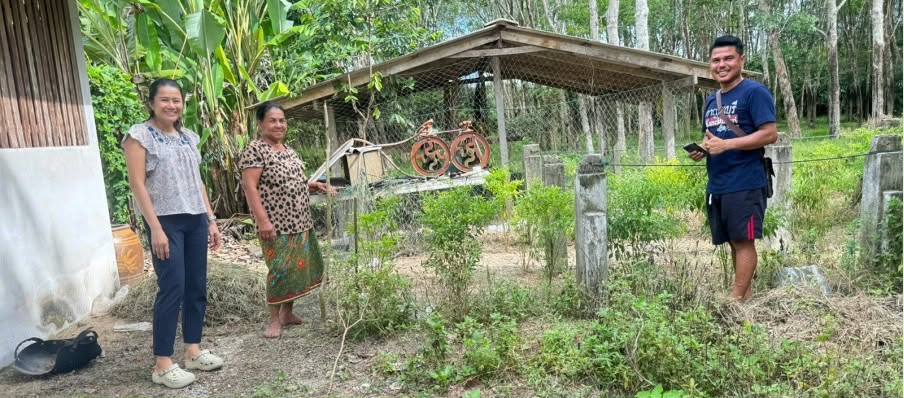
The activity was led by Asst. Prof. Dr. Niratisai Rakmak and Assoc. Prof. Dr. Kampanart Sookmak from the School of Engineering and Technology, in collaboration with the Academic Service Center, Walailak University, and the Integrated Pig Farming Community Enterprise of Walailak Demonstration Community Development. The partnership aimed to jointly develop knowledge and practical approaches for managing agricultural residues and maximizing their value and beneficial use.
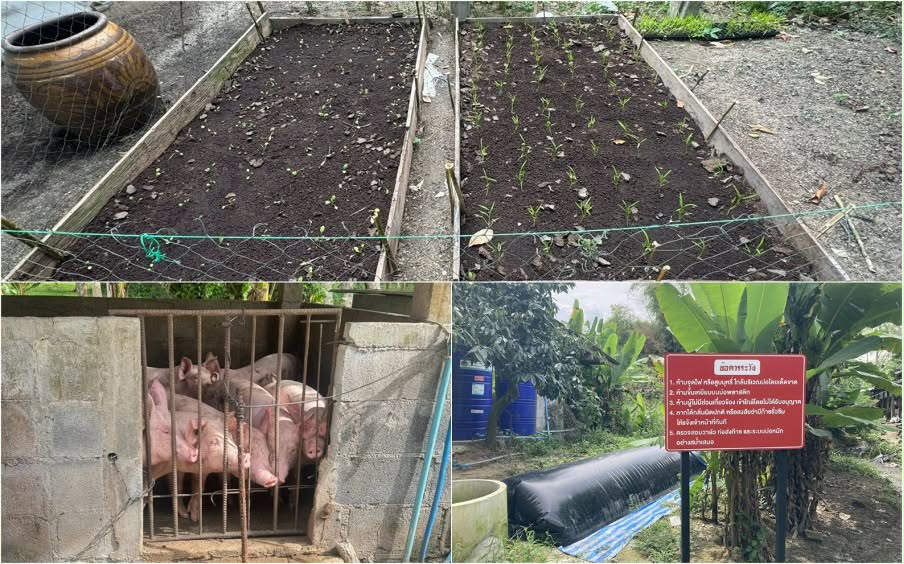
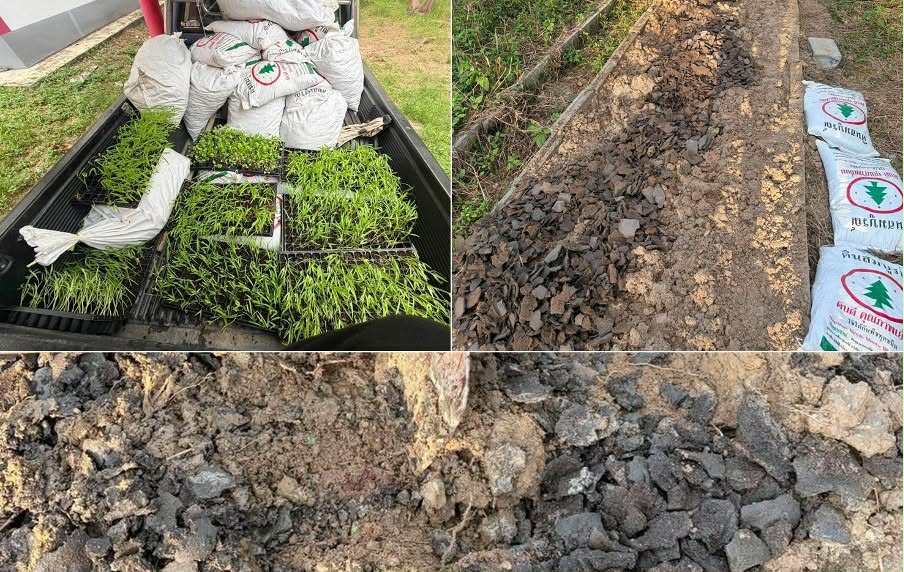
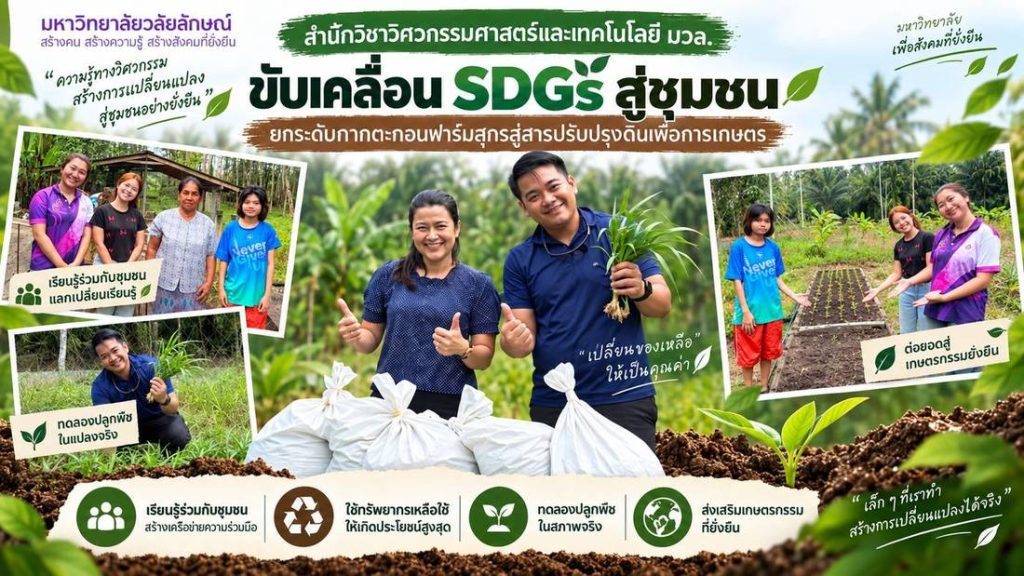
Throughout the implementation period from June to September 2026, the project team and members of the community enterprise worked together to study and develop methods for managing sludge generated from pig farm biogas systems. The residual material was processed and developed into a soil amendment for agricultural use. This approach not only adds value to agricultural waste but also helps reduce waste volumes, minimize environmental impacts, and promote the reuse and circulation of resources in accordance with the principles of the Circular Economy.
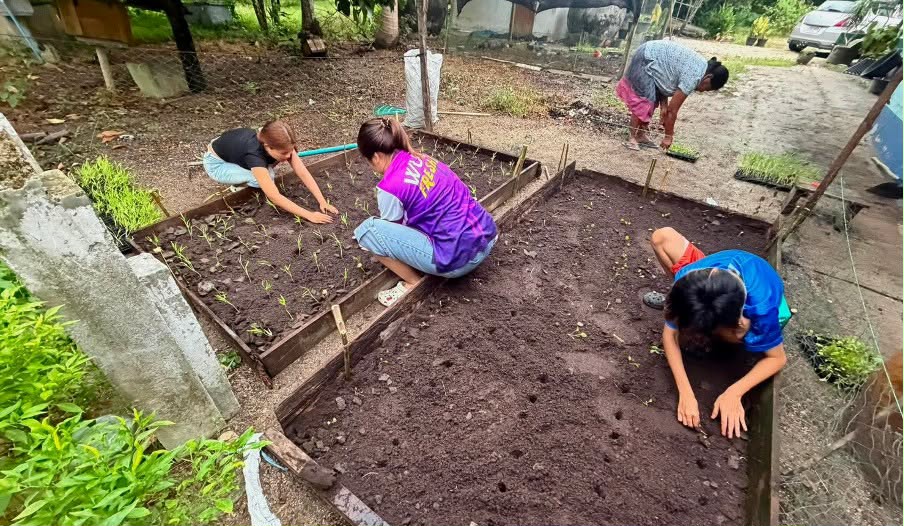
As part of the activity, community enterprise members participated in the entire learning process, from sludge management and processing to the preparation of soil amendments and their practical application in vegetable cultivation. Different application ratios were tested to compare their effectiveness and suitability for plant growth. Participants also collected data on physical characteristics and plant development, which were later evaluated alongside laboratory analyses of the soil amendment’s properties and nutrient content.
In addition to transferring knowledge to the community, the activity was also integrated into the teaching and learning of the Chemical Engineering and Pharmaceutical Chemistry Program, School of Engineering and Technology. Students were provided with opportunities to apply engineering and scientific knowledge gained in the classroom to real-world situations. They developed practical skills in experimentation, data collection, analysis, and interpretation while also learning how to work collaboratively with community members and local stakeholders.
This learning process enabled students to better understand the relationship between academic knowledge and real-world problem-solving. It also helped strengthen essential professional competencies, including teamwork, communication, and social responsibility, all of which are important attributes for engineering graduates in today’s rapidly changing world.
The implementation of the project throughout June–September 2026 reflects the role of the School of Engineering and Technology, Walailak University, in translating university knowledge into tangible benefits for local communities. By integrating the University’s missions in teaching and learning, research, and academic services, the activity also contributes to the advancement of the Sustainable Development Goals, particularly SDG 2: Zero Hunger, which promotes sustainable agriculture, and SDG 12: Responsible Consumption and Production, which promotes sustainable patterns of production and consumption.
The outcomes of the initiative go beyond providing an appropriate approach for managing pig farm residues. They also contribute to the creation of practical knowledge that local communities can apply directly, add value to local resources, reduce environmental impacts, and establish a foundation for the efficient and sustainable management of agricultural resources in the long term.